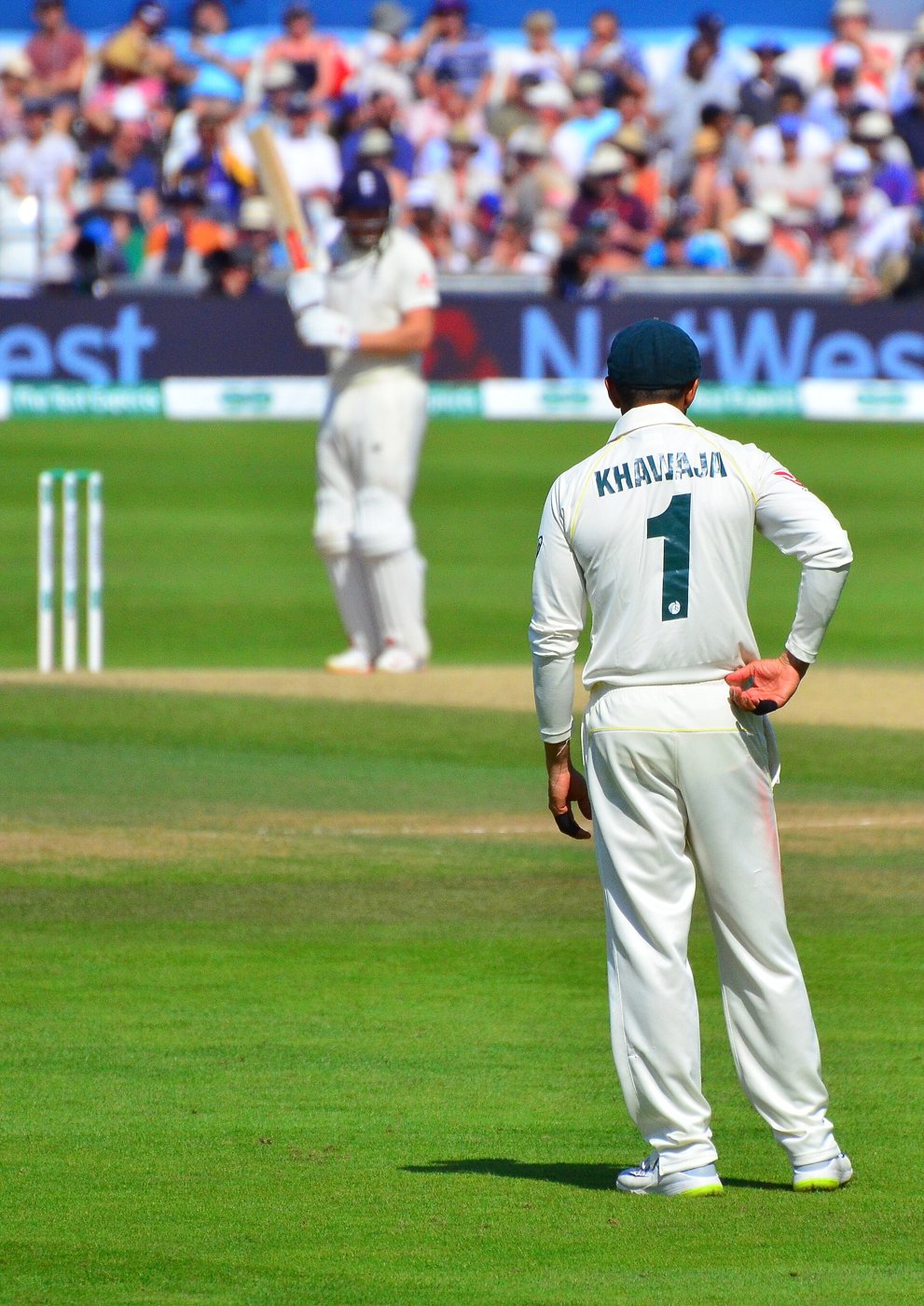
The Usman Khawaja Sabr row has turned a sports memoir into the hottest publishing argument of the month. In Sabr, the former Australia opener alleges that knowledge of sandpaper being used on the ball in 2018 went far wider than the three players who were punished. Former teammates have fired back that he is “trying to sell a few books.” Khawaja says the money will be “pennies.” So who is right?
Daily Mail Australia ran the numbers this week, and they reveal how memoir deals really work. Here is the scandal, the backlash and the maths behind it.
Usman Khawaja Sabr: the claims that lit the fuse
Sabr went on sale on 10 November. In it, Khawaja alleges that knowledge of the use of sandpaper in the 2018 Cape Town Test extended across the Australian dressing room, and that it had also been used in the previous Test at Port Elizabeth, according to Daily Mail and Australian Associated Press reports.
These are his allegations. A Cricket Australia investigation found that only David Warner, Steve Smith and Cameron Bancroft were aware of the plan, and AAP reports that several players, including Pat Cummins, Mitchell Starc, Josh Hazlewood and Nathan Lyon, have denied any prior knowledge. Cricket Australia chief executive Todd Greenberg ruled out reopening the investigation.
“He’s trying to sell a few books”
Former teammate James Pattinson asked the obvious question on SEN: why wait eight years? “I suppose it’s probably just the timing of it, when he came out and said all this in his book, he’s trying to sell a few books,” he said. Former Test batter Nic Maddinson said “everyone has moved on” and called the situation “disappointing.”
Khawaja’s reply was blunt. “With all due respect guys, I played cricket for a long time. I am very fortunate. I don’t need the money,” he said, as quoted by AAP. He said he signed with Penguin in 2023, was told to “tell your story,” and had “total control.” When he handed in his final draft just over two years later, he said, “Penguin was shocked. My management was shocked.”
The real maths of memoir money
Here is where publishing insiders lean in. Khawaja’s advance and royalty rate are private. But Daily Mail modelled it. Sabr’s hardcover has a recommended retail price of $49.99. At a royalty of 10 per cent of that price excluding GST, each copy earns about $4.54.
Crucially, royalties first pay back the advance. Using a hypothetical $100,000 advance, extra payments would only begin after about 22,000 hardcover sales. At 50,000 copies, the author would collect roughly $127,000 on top. At 100,000 copies, about $354,000. If the royalty is calculated on what the publisher receives rather than the cover price, those numbers fall sharply.
How big could it get?
Daily Mail compared Sabr with Australia’s best selling sports memoirs. Ricky Ponting’s At the Close of Play had sold more than 97,000 copies by May 2023. Adam Gilchrist’s True Colours passed 131,000, and the Steve Waugh Foundation puts Out of My Comfort Zone above 230,000. At Waugh’s level, the cover price model would generate more than $1 million in gross royalties. Sabr’s first week sales remain unconfirmed.
Former captain Michael Clarke backed the basic point on his Beyond 23 podcast: “You get paid a fee to write a book. On top of that there are incentives. But you have to sell so many books for those incentives to take place.”
Why publishers love a bombshell anyway
Even if Khawaja’s personal upside is limited, a headline chapter sells books for the publisher, the bookseller and the backlist. We explored that tension in why insider memoirs own the narrative and in how Biden’s $10 million memoir sells itself. For a recent sports deal that went the other way, see Josh Hart’s HarperCollins deal.
For authors weighing a tell all, the lesson is simple: the advance is the guaranteed money, and everything after it depends on readers. A headline chapter can help a book find those readers, but it does not change the contract that was signed years before.
Fame has a price on and off the page. Our network tracks it in star performance and appearance fees, in lessons from the world’s richest and in how stars answer public speculation. And for another star accused this week of getting his story wrong, read about Alexander Zverev’s lawsuit over a single interview line. In publishing, as in sport, the story is only half the game. The other half is who gets paid for telling it.
FAQ
What does Usman Khawaja allege in Sabr?
He alleges that knowledge of sandpaper use in the 2018 Cape Town Test extended across the Australian dressing room and that it was also used at Port Elizabeth. Several players deny prior knowledge, and Cricket Australia has not reopened its investigation.
How much will Khawaja earn from Sabr?
His advance and royalty rate are private. Daily Mail estimated about $4.54 per hardcover at a 10 per cent royalty; with a hypothetical $100,000 advance, extra payments start after roughly 22,000 copies.
Who published Sabr?
Penguin. Khawaja says he signed in 2023 and had total control of the content.