The National Book Awards 2026 delivered the most emotional night in American publishing this year. A Palestinian Jewish novelist wept on stage as she won fiction. The nonfiction winner could not attend because he was denied a US visa, and his speech, read by his editor, was a thunderbolt. And Salman Rushdie, collecting a lifetime medal, made the room laugh. Here is everything that happened at Cipriani Wall Street.
We previewed the shortlist in our guide to the 25 finalists. Now the envelopes are open.
National Book Awards 2026: the full winners list
According to Literary Hub and the National Book Foundation, the winners were:
Fiction: Hannah Lillith Assadi, Paradiso 17 (Knopf). Nonfiction: Abdelrahman ElGendy, Huna: A Memoir of Revolution, Prison, and Becoming (Hogarth). Poetry: Brenda Hillman, Still House in the Desert: An eco-contemplation (Wesleyan University Press). Translated Literature: Vicente Luis Mora, Centroeuropa, translated from the Spanish by Rahul Bery (Bellevue Literary Press). Young People’s Literature: David Levithan and Gabriel Duckels, The Fight of Our Lives: AIDS in America (Knopf Books for Young Readers).
Each category winner receives $10,000, The Guardian reports. Publishers submitted 1,912 books this year.
A tearful win for Paradiso 17
Assadi’s third novel follows a Palestinian man who escaped the Nakba in 1948, inspired by her father, who fled as a child. In a tearful speech she said: “What a beautiful story this has been, from its origins at my father’s deathbed until now, ending here and accepting this award. And so full of pain.” The judges praised “a visionary, finely wrought portrait of rupture and endurance.” She beat Edwidge Danticat, Julian Delgado Lopera, Valeria Luiselli and Morgan Thomas.
The empty seat: a winner denied a visa
The night’s most dramatic moment belonged to someone who was not there. Egyptian author Abdelrahman ElGendy won nonfiction for his debut memoir about six years as a political prisoner. He was unable to attend after being denied a US visa, so his editor Helen Thomaides read his speech.
It did not hold back. “Today that dream should have come full circle but, like so many of the circles ruptured in my life, it will remain unfinished, broken by an oppressive regime with a fascist ideology whose concentration camps stand ready to swallow the bodies it deems undesirable,” he wrote. He also revealed he had practised acceptance speeches under his duvet in prison.
Syrian finalist Samar Yazbek was also denied a visa. The National Book Foundation called both decisions “unjust.” The State Department declined to discuss specific cases but told the Associated Press that “a visa is a privilege, not a right,” quoting Secretary of State Marco Rubio.
The eligibility question
The Guardian notes that The New York Times had speculated ElGendy might not meet the award’s citizenship or residency requirements. The Foundation disputed that, saying it did not “have any concerns regarding the eligibility of his title.”
Rushdie’s saloon line
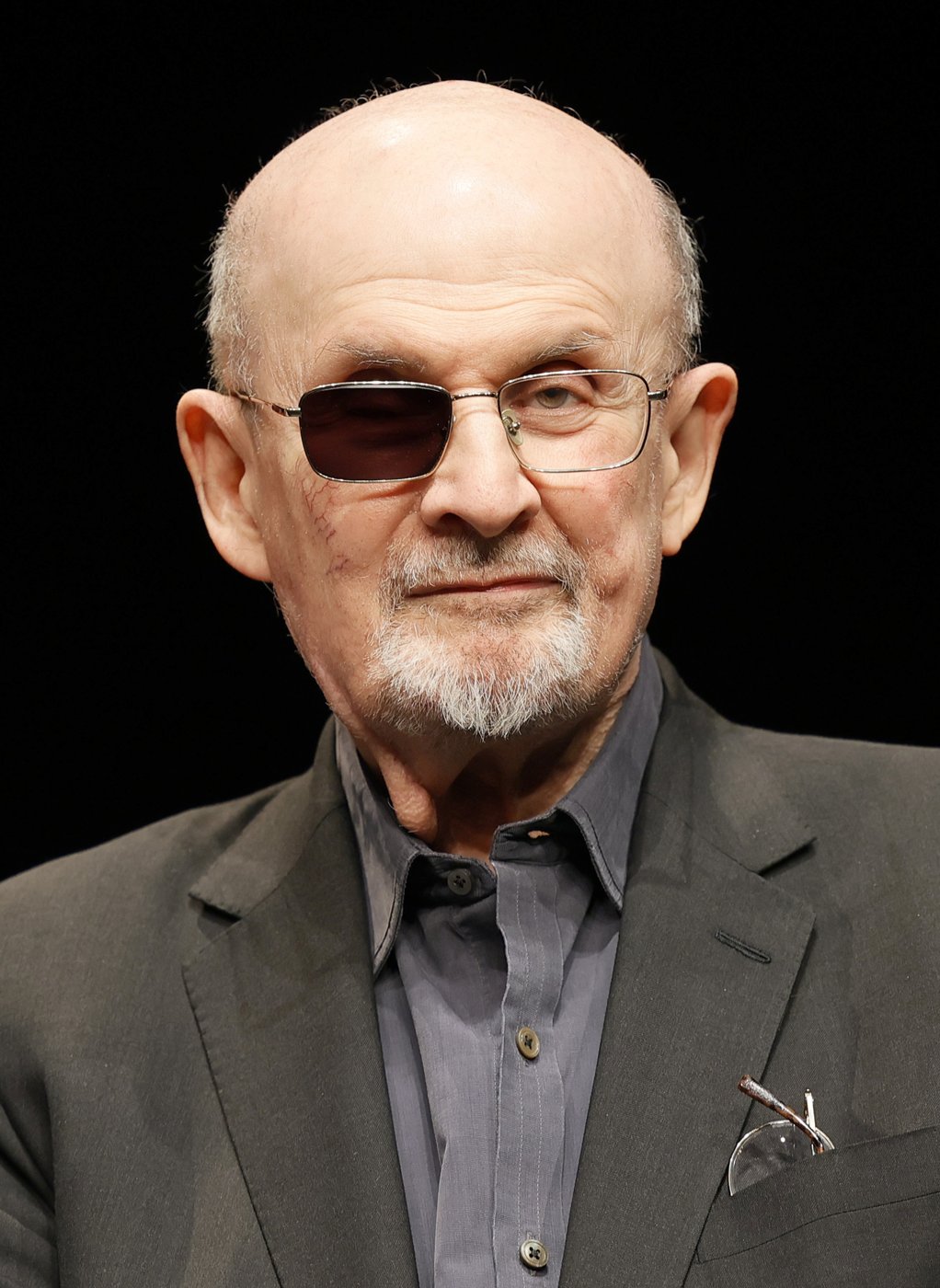
Salman Rushdie received the Medal for Distinguished Contribution to American Letters. He thanked the late Ursula K Le Guin for liking his first novel: “She was just about the only one who did! And it meant everything to me.” Then the closer: “To ride into this town and end up in this saloon, with these companions, is a hell of a thing.” Kyle MacLachlan hosted, and Michelle Zauner performed.
What it means for publishers and authors
Prize wins move copies, foreign rights and screen interest, which is why we track the business behind the books, from this week’s book deals to the hidden market in author rights. Politics and art collided all week across our network too: Rob Lowe says Hollywood blacklisted his film, creators are fighting over AI and consent, and a Van Gogh restitution deal just set a $190 million record. For the money side of culture, see what star appearances cost and the Grammy nomination fights. And for a very different memoir drama this week, read the Usman Khawaja Sabr royalties row.
Why the visa story will not go away
Literary prizes have always been political, but rarely this visibly. When a winner cannot enter the country that honours him, the award itself becomes a statement, whatever the organisers intend. Expect more festivals and prizes to face similar questions in the months ahead, and expect publishers to plan for authors who may only be able to appear by video or through an editor at the podium.
The 2026 ceremony will be remembered less for who won than for who could not be in the room, and for the words they sent anyway. For the celebrity side of this busy week, start with Priyanka Chopra’s Gold Coast photo dump.
FAQ
Who won the National Book Award for fiction in 2026?
Hannah Lillith Assadi won for Paradiso 17, published by Knopf.
Why was the nonfiction winner absent?
Abdelrahman ElGendy, who won for Huna, was denied a US visa, according to The Guardian. His editor read his speech.
Who received the 2026 Medal for Distinguished Contribution to American Letters?
Salman Rushdie. Dr. Perri Klass received the Literarian Award.