
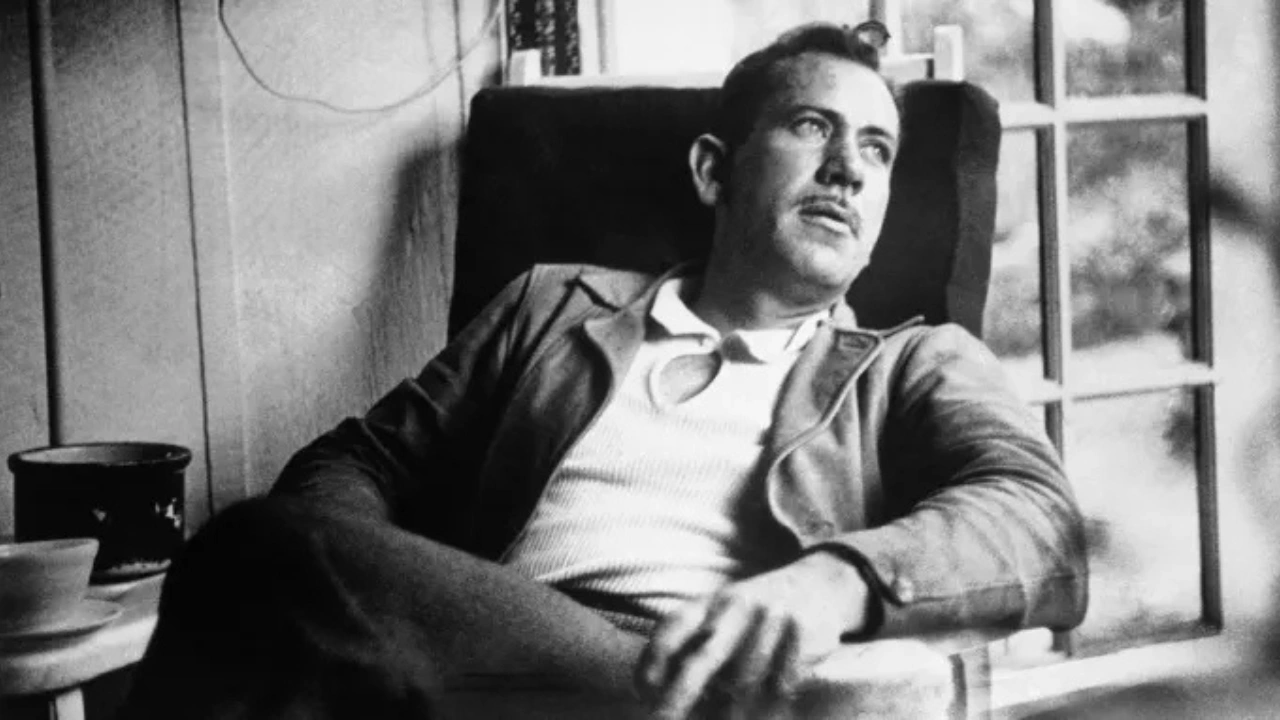
John Steinbeck remains one of the most influential writers in American literature. Known for his powerful storytelling and deep empathy for ordinary people, Steinbeck’s works continue to resonate with readers across generations. His life, shaped by personal struggles and social observation, played a crucial role in defining his writing style and themes.
Early Life and Background
John Steinbeck was born on February 27, 1902, in Salinas, California, a region that would later become the backdrop for many of his stories. Growing up in a farming community, he developed a close connection with the land and the working-class people around him. These early experiences helped him understand human hardship, which became a central theme in his novels.
He attended Stanford University intermittently but never completed his degree. Instead, he chose to pursue writing, taking up various odd jobs to support himself. These experiences gave him firsthand insight into the lives of laborers, enriching his narratives with authenticity.
Lifestyle and Personality
Steinbeck’s lifestyle was far from glamorous. Unlike many writers who lived in literary circles, he preferred a simple and grounded life. He spent time observing people, traveling, and engaging with communities that were often overlooked.
He was known to be deeply empathetic and curious about human behavior. His friendships with scientists, marine biologists, and workers influenced his intellectual outlook. Steinbeck’s collaboration with marine biologist Ed Ricketts was particularly significant. Their shared interest in ecology and human nature shaped Steinbeck’s philosophical approach to storytelling.
Despite achieving fame, Steinbeck remained connected to his roots. He avoided excessive luxury and focused more on his craft and social issues rather than personal wealth.
Major Works and Literary Contributions
Steinbeck’s writing career produced some of the most celebrated novels in American literature. His works often explored themes of poverty, injustice, friendship, and survival.
The Grapes of Wrath
One of his most famous novels, The Grapes of Wrath, tells the story of the Joad family during the Great Depression. The novel highlights the struggles of migrant workers and critiques economic inequality. It won the Pulitzer Prize and remains a powerful social commentary.
Of Mice and Men
Another widely studied work, Of Mice and Men, focuses on the friendship between George and Lennie, two displaced ranch workers. The story explores loneliness, dreams, and the harsh realities of life. Its emotional depth and simplicity make it one of Steinbeck’s most beloved works.
East of Eden
East of Eden is often considered Steinbeck’s most ambitious novel. It explores themes of good and evil, family dynamics, and human choice. Set in California’s Salinas Valley, it reflects Steinbeck’s personal connection to his hometown.
Other Notable Works
Steinbeck also wrote several other important books, including:
- Cannery Row – A portrayal of life in a small coastal community
- The Pearl – A moral tale about greed and ambition
- Travels with Charley – A reflection on America through a road trip
Writing Style and Themes
Steinbeck’s writing style is known for its simplicity and emotional depth. He avoided overly complex language, choosing instead to write in a way that was accessible and relatable.
His stories often focused on:
- The struggles of the working class
- The impact of economic hardship
- Human relationships and compassion
- The connection between people and nature
What set Steinbeck apart was his ability to blend realism with symbolism, making his stories both grounded and thought-provoking.
Awards and Recognition
In 1962, John Steinbeck was awarded the Nobel Prize in Literature for his realistic and imaginative writings. This recognition cemented his place among the greatest writers of the 20th century.
His works are still widely read and studied in schools and universities around the world, proving their lasting relevance.
Legacy
John Steinbeck passed away in 1968, but his legacy continues to live on. His stories remain a mirror to society, reminding readers of the importance of empathy, resilience, and social justice.
Through his books, Steinbeck gave a voice to those who were often unheard. His ability to capture the human condition with honesty and compassion ensures that his work will never fade.
John Steinbeck’s life and literature show that great storytelling comes from understanding people deeply. His works are not just stories—they are reflections of humanity itself.