
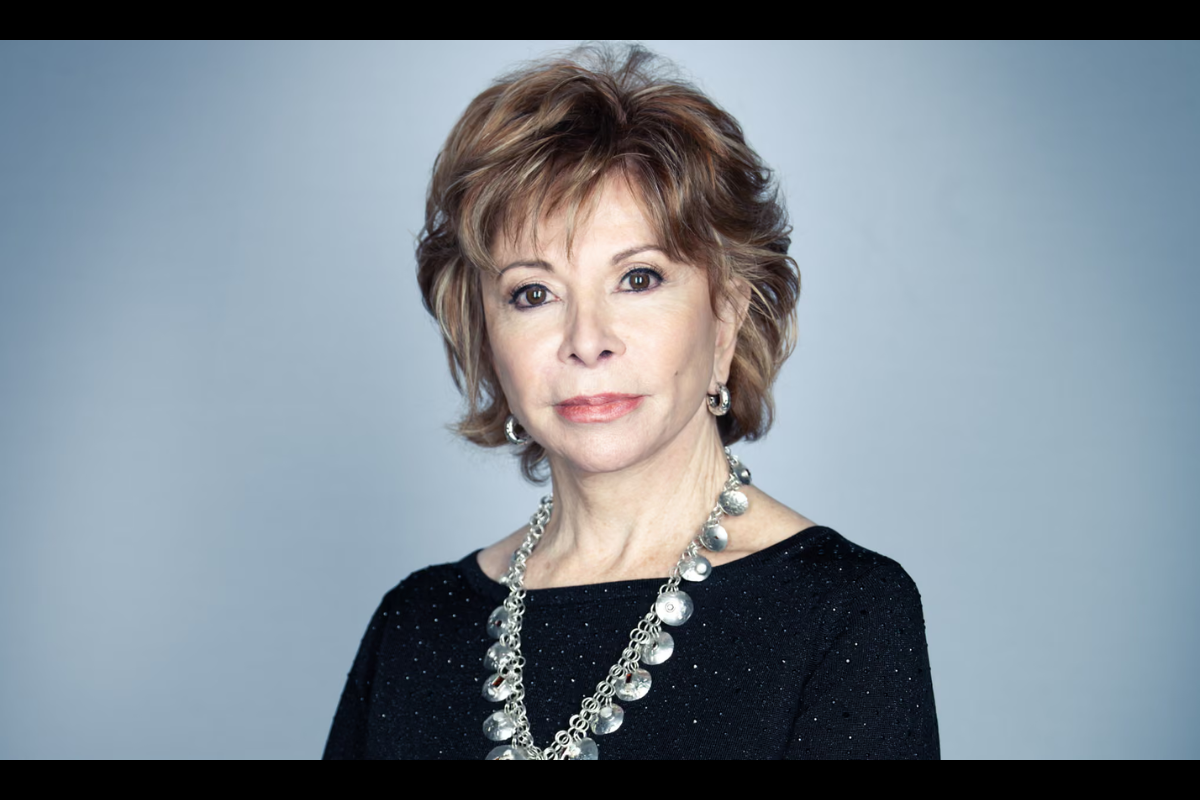
sabel Allende’s debut novel The House of the Spirits began as a farewell letter to her dying grandfather — and went on to become an international sensation. Although it launched her literary career, Allende kept her day job for years before fully embracing life as a writer. Today, with over 20 books to her name — including The Japanese Lover — she remains one of the world’s most beloved storytellers.
The Ritual of January 8
HBR Executive: You start writing every book on the same date you began The House of the Spirits. Why January 8?
Allende: At first it was pure superstition. The first book brought me such good luck that I didn’t want to break the pattern. Now it’s discipline. My life is hectic, so I block out time every year for solitude and focus. When January 8 arrives, everyone around me knows that I disappear into my writing cave.
The Spark of an Idea
HBR: Do you always begin with a story in mind?
Allende: Sometimes — but often it’s just a feeling, a time, or a place. I might research a historical event, like a slave revolt in Haiti, and know everything about the setting but nothing about the characters or plot. Other times I simply sit at my computer, let a sentence rise up from my gut, and trust that it will lead me somewhere.
Finding the Voice
HBR: How do you move forward from that first spark?
Allende: Very slowly. The first few weeks are always awful because I haven’t yet found the story’s voice or rhythm. I know most of those early pages will end up in the trash, but they’re like warm-up exercises. Eventually, the characters start speaking to me — that’s when I know I’m on the right path.
HBR: And if it takes too long to find that path?
Allende: Then I just keep showing up. Sometimes I wonder if a story isn’t meant to be written, but most of the time, persistence wins. It took me years to trust my craft. I used to believe that every book was a miracle that might never happen again. Now, after decades of writing, I know that if I have a subject and time, I can write anything. That confidence lets me enjoy the process.
Talent vs. Practice
HBR: You call yourself a natural storyteller. Is storytelling something you’re born with, or can it be learned?
Allende: You can teach someone how to write, but you can’t teach storytelling. It’s like having an ear for music — some people have it, some don’t. Storytelling is knowing what to reveal, what to hold back, and how to create tension and life in your characters. I was born with that instinct, but not the writing skill. Over time, practice gave me the tools to put my stories on paper. Only recently have I felt that I truly own my craft.
Reinventing Herself
HBR: You were nearly 40 when you became a novelist. How did that transition happen?
Allende: I didn’t plan it. I was living in Venezuela as a political refugee after the coup in Chile. I couldn’t find work as a journalist, and I felt full of untold stories. Then, on January 8, 1981, I learned my grandfather was dying. I couldn’t return home to say goodbye, so I began a letter to him — recalling everything he had ever told me. He passed away before reading it, but I kept writing every night after work. A year later, I had 500 pages — The House of the Spirits. It changed my life.
A Career Takes Shape
HBR: When did you feel confident enough to call yourself a writer?
Allende: When the checks started arriving! (laughs) My books were being translated into dozens of languages and selling well. That’s when I realized I could actually make a living doing this.
HBR: Did you ever feel pressure to match the success of your first book?
Allende: My agent, Carmen Balcells, once told me, “Anyone can write a good first book — the real test is the second one.” So, the next January 8, I started another book to prove I wasn’t a one-hit wonder. Each book since then has been different — historical fiction, memoir, mystery, even young adult. I don’t compare them. Every book is an offering to the reader.
Writing Through Grief
HBR: Both The House of the Spirits and Paula came from personal loss. Did writing help you heal?
Allende: Absolutely. The House of the Spirits helped me rebuild the world I lost in exile — my family, my homeland, my memories. Paula was written after my daughter’s death. I was in deep despair. Then my mother gave me a box of letters I’d written during the year Paula was in a coma. Writing about that pain was excruciating but healing. Putting the grief into words allowed me to see the light again — my grandchildren, my husband, life itself.
On Sharing Her Private Life
HBR: You’re very open about your personal life. Why?
Allende: My mother once said, “You reveal too much. You’re so vulnerable.” I told her, “I’m only vulnerable because of the secrets I keep.” My life isn’t extraordinary. When I share my truth, people share theirs — and that exchange of stories creates connection.
Universal Stories
HBR: Why do you think your books resonate with readers worldwide?
Allende: Because, at our core, we’re all the same. We may speak different languages or have different skin tones, but we share the same fears and dreams. A story about growing old in San Francisco can touch someone in Turkey.
The Drive to Work
HBR: You’ve said you’ve always wanted to work. Why?
Allende: Because I needed independence. My mother was a beautiful woman who married the wrong man and was left with three children and no job. She depended completely on my grandfather. I loved her dearly, but I never wanted to be in that position. I’ve always needed purpose and self-sufficiency. Staying home wasn’t for me.
When Collaboration Fails
HBR: You once tried co-writing a book with your husband, who’s also a novelist. How did that go?
Allende: (laughs) It was a disaster. He writes in English; I write in Spanish. He works for 11 minutes; I write for 11 hours. I research obsessively; he improvises. So I ended up writing Ripper alone, and he went on with his own books.
From Page to Screen
HBR: The House of the Spirits became a film, but you didn’t participate. Why not?
Allende: Because filmmaking is a different art form. I wouldn’t want anyone looking over my shoulder while I write — so I don’t interfere with directors. I sold the rights, requested Bille August as the director, and let them do their work. The film was good, though it lacked the Chilean essence of the book. Still, I respect it as its own creation.
On Retirement
HBR: You once mentioned retirement. Still considering it?
Allende: (smiles) Not anymore. I was tired at the time and tempted by the idea of leisure, but now I know I’ll never retire. Why should I? I love writing. I don’t need youth or fitness for this job — just a clear mind and curiosity.
Inspiration and Role Models
HBR: Many readers see you as a role model. Do you feel that way?
Allende: I don’t think of myself as one, but I’m touched when young women tell me that my characters inspire them — women who are strong, independent, and resilient.
HBR: And who inspires you?
Allende: The women my foundation supports — survivors of violence in Congo, girls rescued from brothels who now help others. They’ve endured unimaginable suffering, yet they lead and inspire. They’re my heroes.
Politics and the Pen
HBR: Your family is politically influential in Chile. Did you ever consider following that path?
Allende: Never. My cousin Isabel Allende Bussi is the politician in the family. I’m not built for that world. I need solitude, imagination, and freedom — not negotiation and compromise. Politics would drive me mad. Writing is where I belong.
[Credit: https://hbr.org/]