
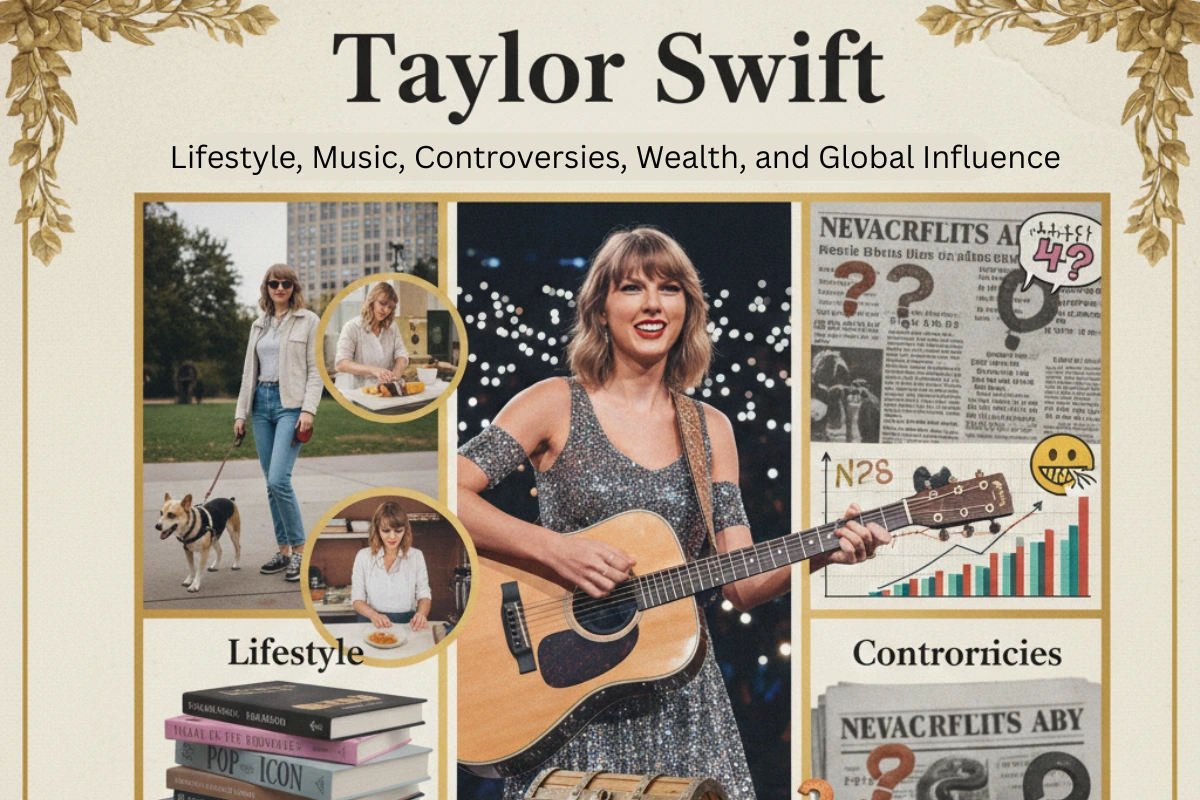
Taylor Swift stands as one of the most influential cultural figures of the 21st century, transcending the boundaries of music to become a global symbol of creativity, resilience, and reinvention. From country prodigy to pop powerhouse and lyrical storyteller, her journey reflects both artistic evolution and sharp business acumen.
Lifestyle and Public Image
Despite her immense fame, Taylor Swift maintains a carefully balanced lifestyle. She is known for valuing privacy while remaining deeply connected to her fanbase, often through personal storytelling and surprise interactions. Swift owns multiple properties across the United States, including homes in New York, Nashville, and Rhode Island, reflecting both her success and her long-standing ties to different phases of her career. Her lifestyle emphasizes creativity, close friendships, and control over her narrative rather than excessive public display.
Music and Artistic Evolution
Taylor Swift’s music career is defined by transformation. She began in country music with emotionally honest songwriting and gradually expanded into pop, alternative, indie-folk, and synth-driven sounds. Albums such as 1989, Reputation, Lover, Folklore, Evermore, and Midnights showcase her ability to adapt while maintaining lyrical depth.
What sets Swift apart is her songwriting. Her lyrics often explore love, heartbreak, self-discovery, fame, and personal growth, resonating across generations. Critics and fans alike recognize her as a storyteller who turns personal experience into universal emotion.
Controversies and Public Battles
Taylor Swift’s career has not been without controversy. She has faced highly publicized disputes over media narratives, celebrity feuds, and most notably, the ownership of her early music catalog. Rather than allowing the situation to define her, Swift responded strategically by re-recording her albums, reclaiming artistic and commercial control. This move reshaped conversations around artist rights and ownership across the music industry.
She has also been vocal about issues such as gender bias in media, creative credit, and fair compensation for artists—earning both criticism and admiration for her outspoken stance.
Publications and Creative Expansion
Beyond music, Taylor Swift has extended her influence into publishing and visual storytelling. Her album booklets, liner notes, and written introductions are often treated as literary pieces by fans and critics. She has also ventured into directing music videos and short films, blending narrative songwriting with cinematic expression. While she has not released a traditional novel, her lyrical catalog is frequently studied and published in academic and cultural analyses.
Wealth and Business Influence
Taylor Swift is among the wealthiest musicians globally. Her fortune stems from album sales, streaming, touring, merchandise, publishing rights, and brand strategy. Major world tours have generated record-breaking revenue, while her ownership-focused approach to music rights has strengthened her long-term financial independence.
More than raw wealth, Swift represents a modern artist-entrepreneur—someone who understands both creativity and control.
Cultural Impact
Taylor Swift’s influence extends far beyond charts and awards. She has reshaped how artists interact with fans, challenge industry norms, and tell their own stories. Her career reflects not just success, but strategic evolution—making her one of the most studied and admired figures in contemporary pop culture.